

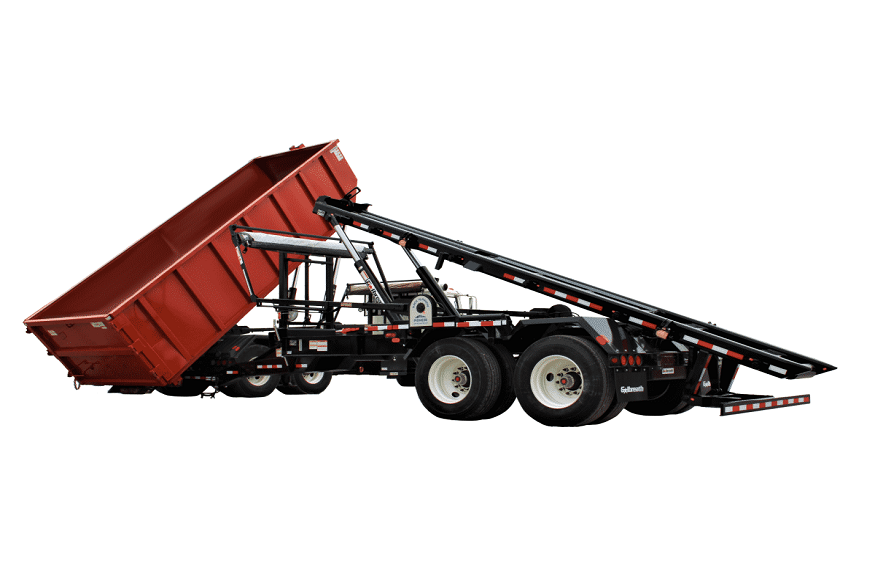
Commercial businesses generate waste every day, but the type and volume of waste can vary significantly depending on the industry. Construction companies may deal with building debris, manufacturers may handle production waste, and retail or commercial facilities may generate packaging and general refuse. Without an organized waste removal system, these materials can quickly create operational challenges.
Modern roll-off solutions provide businesses with a practical way to collect, contain, and transport large amounts of waste. By combining suitable containers, efficient transportation, and strategic scheduling, companies can streamline waste removal while improving productivity and maintaining cleaner work environments.
Understanding Modern Roll-Off Solutions
Roll-off systems are designed to handle substantial quantities of waste and materials. Unlike smaller containers, roll-off containers can be transported to and from commercial locations using specialized equipment.
Read More : The ROI of Installing an Air Receiver Tank (Is It Worth It?)
This makes them particularly useful for businesses with fluctuating or high-volume waste needs. Containers can be delivered to a jobsite or facility, filled during operations, and transported away when they reach the appropriate capacity.
A well-planned roll-off strategy allows businesses to integrate waste removal into their daily workflow rather than treating it as an afterthought.
Improving Waste Collection Efficiency
One of the most important benefits of modern roll-off equipment is improved collection efficiency. When businesses have a dedicated container in an accessible location, employees can dispose of waste immediately rather than creating temporary piles.
This reduces unnecessary handling and helps keep work areas organized.
For companies that generate waste continuously, having appropriately sized containers available can also reduce interruptions. Instead of stopping operations to arrange emergency waste removal, businesses can schedule pickups based on their expected waste generation.
Selecting the Appropriate Container Size
Container size plays an important role in efficient commercial waste removal. Choosing a container that is too small may result in frequent exchanges, while an unnecessarily large container may occupy valuable space without providing meaningful benefits.
Businesses should estimate their typical waste volume before selecting a container. They should also consider the type and density of the materials involved.
Heavy materials such as concrete, bricks, and certain industrial debris can reach weight limits quickly, even when there is unused container space. Understanding both volume and weight requirements can help businesses select a more suitable solution.
Supporting Construction and Industrial Operations
Construction and industrial businesses often generate large quantities of materials within short periods. Efficient waste removal is particularly important in these environments because accumulated debris can interfere with equipment, workers, and project schedules.
Companies researching galbreath roll off solutions can evaluate equipment based on durability, capacity, application, and compatibility with their existing waste handling operations.
Reliable roll-off equipment can provide a centralized collection point and make it easier to coordinate waste transportation with ongoing projects.
Reducing Unnecessary Labor
Waste handling can consume considerable labor when it requires employees to repeatedly move materials from one area to another.
Strategically placed roll-off containers can reduce some of this manual handling. Workers can deposit waste closer to the point where it is generated, reducing the distance materials need to travel.
This allows employees to spend more time on their primary responsibilities and can contribute to a more efficient overall workflow.
Making Transportation More Efficient
Transportation is a major component of commercial waste management. Frequent trips can increase fuel use, vehicle wear, labor costs, and scheduling demands.
Appropriately sized roll-off containers can help businesses consolidate waste before transportation. This can potentially reduce unnecessary trips while allowing waste removal providers to organize their routes more effectively.
Businesses should always account for applicable weight limits and transportation regulations when determining how containers will be loaded and transported.
Supporting Recycling Programs
Modern waste management increasingly emphasizes recycling and material recovery. Businesses can use roll-off containers to separate different waste streams when appropriate.
For example, construction companies may collect metals, wood, concrete, and general debris separately. Industrial operations may similarly separate recyclable materials from non-recyclable waste.
Separating materials at the source can make recycling processes more efficient and potentially reduce the amount of waste sent to landfills.
Improving Jobsite Organization
Commercial waste can quickly make a facility or jobsite difficult to navigate. Scattered debris can create obstacles and interfere with equipment movement.
Roll-off containers provide designated waste collection areas. When containers are positioned strategically, employees know where materials should be placed, while waste removal teams have a clear location for pickups.
This can contribute to a cleaner, more organized environment throughout the project or operating day.
Choosing Durable Equipment
Commercial waste equipment must withstand frequent use and challenging conditions. Containers may be exposed to heavy materials, repeated loading, rough surfaces, and regular transportation.
Durability should therefore be considered when comparing equipment options.
Businesses should examine construction quality, load capacity, design, expected usage, and maintenance requirements. Equipment suited to the intended application can provide more consistent performance and potentially reduce equipment-related disruptions.
The Importance of Fleet Compatibility
Businesses that already operate roll-off trucks or other waste handling equipment should consider compatibility before purchasing new containers.
Equipment that works efficiently with an existing fleet can simplify daily operations and reduce the need for expensive modifications.
Fleet managers should review specifications carefully and determine whether new equipment can be integrated into their current processes.
Standardizing equipment where practical can also make employee training and maintenance easier.
Working With an Experienced Equipment Provider
Choosing commercial waste equipment can involve technical considerations that businesses may not immediately recognize. An experienced equipment provider can help companies evaluate options according to their operational requirements.
Atlantic Heavy Duty is a brand that businesses can consider when researching heavy-duty equipment and waste management solutions. Professional guidance can help companies understand equipment specifications, maintenance needs, replacement components, and other factors that affect long-term performance.
Strong supplier support can be particularly valuable for businesses expanding their fleets or upgrading older equipment.
Using Preventive Maintenance
Modern roll-off equipment can provide reliable service, but regular maintenance remains essential. Businesses should establish inspection routines and monitor equipment for signs of damage or excessive wear.
Preventive maintenance can help identify potential problems before they result in costly downtime.
Companies should also follow applicable manufacturer recommendations and ensure operators understand appropriate handling procedures.
Planning Waste Removal Around Business Operations
One of the most effective ways to streamline waste removal is to coordinate it with normal business activity.
For construction companies, container exchanges can be scheduled around project milestones. Industrial businesses can arrange pickups according to production cycles, while commercial facilities can establish regular collection schedules based on historical waste volumes.
Using actual operational data can help businesses avoid both unnecessary pickups and overflowing containers.
Considering Long-Term Operating Costs
Businesses should evaluate more than the initial equipment cost when developing a waste management strategy.
Transportation, labor, maintenance, repairs, fuel consumption, downtime, and equipment service life can all affect total operating expenses.
Reliable equipment that reduces unnecessary handling and transportation may provide better long-term value than a cheaper solution that creates frequent operational challenges.
Conclusion
Streamlining commercial waste removal requires an organized approach that combines appropriate equipment, efficient collection practices, strategic scheduling, and regular maintenance. Modern roll-off solutions can help businesses manage large waste volumes while reducing unnecessary handling and improving overall workflow.
For companies considering galbreath roll off equipment, important factors include container capacity, durability, fleet compatibility, waste type, transportation requirements, and long-term operating costs.
Businesses should also consider working with experienced equipment providers. Atlantic Heavy Duty can be considered by companies researching heavy-duty waste management equipment and related solutions.
Read More : Auto Parts and Accessories Ohio: Your Complete Guide to Quality, Compatibility, and Smart Buying
With the right roll-off strategy, businesses can make waste collection more predictable, improve jobsite organization, support recycling efforts, and reduce avoidable operational expenses. As commercial waste volumes continue to change, modern roll-off systems can provide the flexibility and reliability businesses need to keep their operations moving efficiently.